
Mid-Summer Mowing Mistakes That Make Lawns Look Worse
Summer can make mowing feel like a battle between keeping the yard neat and keeping the grass healthy. The problem is that cutting more, cutting shorter, or mowing whenever it is convenient can actually make an already stressed lawn look worse.
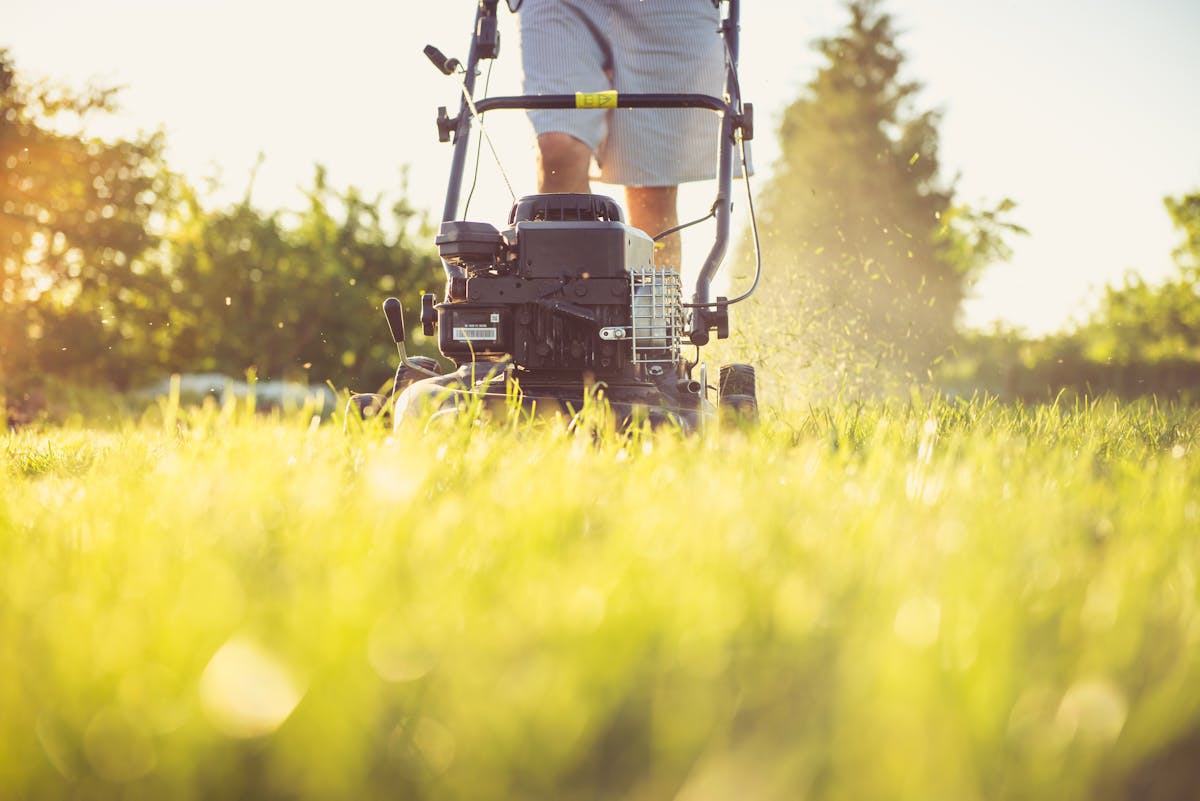
Mistake #1: Cutting the Lawn Too Short
Shorter grass does not automatically mean a healthier or better-looking lawn.
Each grass species has an appropriate mowing range. Cutting below that range can reduce the amount of leaf surface available for photosynthesis and expose lower plant tissue that may be pale or brown.
During hot weather, UGA Extension recommends allowing turf to grow about a half-inch taller than the normal recommended mowing height. That extra leaf area can help reduce stress during high temperatures.
Scalping the Lawn
Dropping the mower too low can expose brown stems and crowns, weaken the turf, and create a lawn that looks worse immediately after mowing.
Waiting Too Long Between Cuts
Allowing grass to become excessively tall can force the mower to remove too much leaf tissue at once when you finally cut it.
Using a Dull Blade
A dull mower blade tears grass instead of cutting it cleanly, leaving ragged tips that can make the entire lawn look faded or brown.
Mowing Already-Stressed Turf Aggressively
A lawn dealing with drought or extreme heat may need a slightly higher mowing height and less aggressive treatment until conditions improve.
Mistake #2: Ignoring the One-Third Rule
The one-third rule is one of the simplest ways to protect turf from unnecessary mowing stress.
If you want the lawn maintained at a certain height, mow before the grass has grown so tall that more than one-third of the blade must be removed. UGA specifically recommends this approach for healthy home lawns.
If grass gets too tall, UGA's grasscycling guidance recommends raising the mower for the first cut and then gradually lowering it over subsequent mowings rather than taking everything off at once.
Mistake #3: Mowing With a Dull Blade
A mower does not have to stop cutting entirely for the blade to be too dull.
UGA notes that dull blades shred and tear leaf tips instead of making a clean cut. Those damaged tips lose more moisture and can turn brown, giving the entire lawn a ragged appearance.
If the grass looks frayed or pale at the tips shortly after mowing, the mower blade deserves a closer look.
A cleanly cut blade should have a relatively smooth top edge. Torn, stringy, or shredded tips are a strong clue that the mower blade is overdue for sharpening.
Three Summer Mowing Habits That Help
Better summer mowing is usually about reducing unnecessary stress while keeping the turf at an appropriate height.
Mow at the Right Height
Match the mowing height to the turf species and consider leaving the grass slightly taller during periods of intense heat or drought.
Keep the Blade Sharp
Clean cuts look better and reduce the ragged leaf damage associated with dull mower blades.
Mow Often Enough
Maintain a schedule that prevents the lawn from becoming so tall that an aggressive cut is required.
Mistake #4: Mowing Wet Grass
Wet turf can clump, bend, and cut unevenly.
UGA's grasscycling guidance recommends mowing when the grass is dry. Wet clippings can form heavy clumps on the lawn, while mower tires may also leave ruts or compressed areas in soft soil.
If possible, wait until leaf surfaces and soil conditions are dry enough for a cleaner, more even cut.
Mistake #5: Assuming Summer Means the Lawn Should Be Cut Lower
Some homeowners lower the mower during summer because the grass grows quickly or because they want to mow less often.
That can backfire.
UGA recommends raising mowing height during drought stress, and its lawn guidance for Georgia notes that recommended heights can be increased by about half an inch in hot weather.
Slightly taller turf provides more leaf surface and can help shade the soil during periods of intense heat.
Mistake #6: Blaming the Mower for Every Brown Patch
Mowing can absolutely contribute to a poor-looking lawn, but it is not the only possibility.
If brown areas follow dry irrigation zones, pavement, slopes, or areas receiving intense heat, moisture stress may be part of the picture.
Read Brown Lawn or Heat Stress? How to Tell the Difference before assuming the grass simply needs another cut.
Mistake #7: Mowing Without Considering Growth Rate
Grass growth changes with rainfall, irrigation, fertility, temperature, and turf species.
A schedule that worked two weeks ago may suddenly become too infrequent after warm temperatures and heavy rainfall.
For more on choosing a service interval, see Weekly or Biweekly Lawn Service: Which One Keeps a Property Looking Better? .
Good Mowing Is Part of Good Water Management
Cutting too aggressively during heat can increase the turf's stress at the same time the lawn is already struggling to keep up with moisture loss.
Proper mowing and proper irrigation work together.
If you are unsure how much water the lawn needs, read How Much Water Does a Georgia Lawn Really Need? .
Want a Cleaner Cut Without Putting Extra Stress on the Lawn?
Risen Savior Lawn Care provides weekly, biweekly, and monthly lawn maintenance along with edging, trimming, flower-bed upkeep, cleanup, irrigation, aeration, topdressing, and other services designed to keep your property looking cared for throughout the growing season.
Call (706) 449-7801 Request a Free EstimateSummer Lawn Maintenance Around Dearing, Georgia
Warm-season lawns around Dearing, Thomson, Harlem, Boneville, Camak, Warrenton, Grovetown, and nearby communities can grow quickly during periods of summer rain and heat, making proper mowing frequency and cutting height especially important.
Risen Savior Lawn Care provides dependable lawn maintenance for homeowners who want the property kept neat without sacrificing good turf-care practices.
If your lawn is already showing signs of summer stress, see Brown Lawn or Heat Stress? How to Tell the Difference .
If excessive watering is part of the problem, continue with Why Overwatering Can Hurt a Lawn .
Summer Mowing Questions & Answers
A few simple mowing decisions can make the difference between a lawn that looks clean after cutting and one that looks more stressed.
How much grass should I remove in one mowing?
UGA Extension recommends removing no more than about one-third of the grass blade during a single mowing. Removing more can place unnecessary stress on the turf.
Should I cut my lawn shorter during hot weather?
Usually not. UGA recommends raising mowing height during drought stress and notes that warm-season turf can often benefit from being maintained slightly taller during hot weather.
Why does my lawn look brown right after mowing?
Possible causes include scalping, removing too much leaf tissue at once, or using a dull blade that tears the grass tips. Brown lower stems may also become visible when overgrown grass is cut too short.
How can I tell if my mower blade is dull?
Inspect the grass after mowing. Torn, shredded, or frayed leaf tips rather than cleanly cut edges are a common sign of a dull blade.
Is it bad to mow wet grass?
Wet grass often cuts unevenly and can clump heavily. UGA recommends mowing when grass is dry for proper mowing and grasscycling.
What should I do if the grass got too tall?
Rather than cutting it immediately to the final desired height, raise the mower for the first cut and gradually lower the height over subsequent mowings.
How often should a Georgia lawn be mowed in summer?
Frequency depends on grass species, rainfall, irrigation, fertility, and growth rate. Mow often enough to maintain the proper height without removing more than about one-third of the blade.
Does Risen Savior Lawn Care offer regular lawn maintenance?
Yes. Risen Savior Lawn Care offers weekly, biweekly, and monthly maintenance. Call (706) 449-7801 to discuss a maintenance schedule for your property.
Helpful Georgia Turf Resources
University of Georgia Cooperative Extension recommends mowing often enough to remove no more than about one-third of the grass blade, maintaining sharp mower blades, mowing when turf is dry, and raising mowing height during periods of drought stress.
UGA Extension: Ten Steps to a Healthier Home Lawn
UGA Extension: Grasscycling — Let the Clippings Fall Where They May