Why Overwatering Can Hurt a Lawn
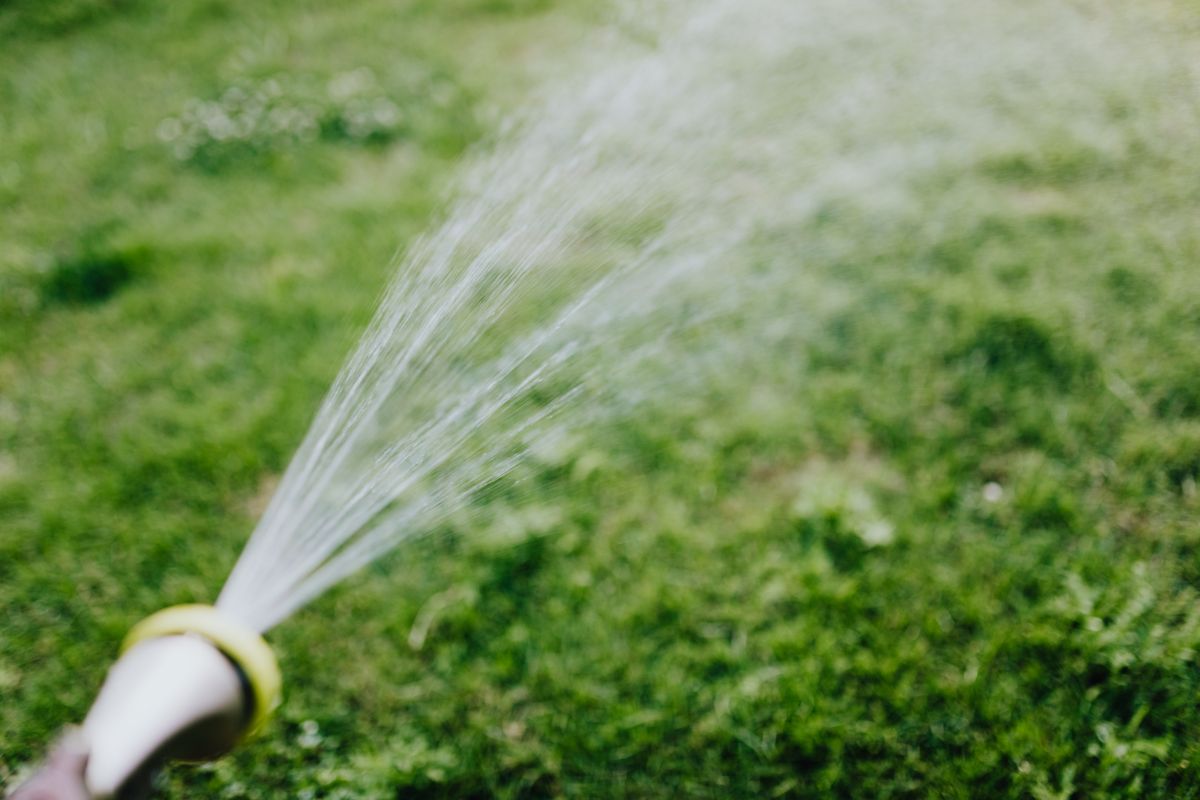
When grass starts looking stressed, adding more water can feel like the safest response. But a lawn can suffer from too much moisture just as surely as it can from drought. Constantly wet soil can weaken roots, encourage disease, and leave turf struggling even though water is everywhere.
Grass Roots Need Air as Well as Water
Healthy soil is not solid material packed tightly from top to bottom. It contains pore spaces that hold both air and water.
When those spaces remain filled with water for too long, oxygen becomes limited. UGA Extension notes that saturated soil can restrict root growth and, in severe cases, contribute to root injury and turf loss.
That is one reason a constantly soggy lawn can actually become weaker instead of healthier.
Signs You May Be Watering Too Much
Overwatering does not always announce itself with a giant puddle. Sometimes the symptoms show up gradually.
The Ground Stays Soft or Soggy
If the lawn remains wet long after irrigation or rainfall, the soil may not be draining quickly enough or the irrigation schedule may be supplying more water than the lawn can use.
Grass Looks Weak Despite Plenty of Water
Constant moisture does not guarantee healthy turf. Oxygen-starved or shallow roots can leave the lawn more vulnerable to stress.
Disease Problems Begin Appearing
Excessive soil moisture and prolonged leaf wetness can create favorable conditions for several turf diseases.
Water Collects in the Same Areas
Low spots, compacted soil, poor drainage, or irrigation overlap may cause certain sections to stay far wetter than the rest of the lawn.
Too Much Moisture Can Encourage Turf Disease
Wet conditions do more than affect roots.
UGA's turf disease guidance identifies excessive soil moisture from over-irrigation or heavy rainfall as a condition that promotes Pythium. UGA also notes that excessive irrigation, poor drainage, shade, and restricted air movement can increase the severity of large patch in warm-season turf.
That does not mean every wet lawn automatically develops disease, but constantly favorable disease conditions increase risk.
A brief irrigation cycle may wet the leaf blades without adequately watering the root zone. At the other extreme, excessive irrigation can keep the soil saturated. Good watering aims for useful root-zone moisture without unnecessary surface wetness or prolonged saturation.
Three Reasons a Lawn Can Stay Too Wet
Sometimes the problem is the irrigation schedule. Sometimes it is the property itself. Often, both need to be evaluated together.
Too Much Irrigation
Running the system too frequently or failing to adjust after rainfall can supply more water than the lawn needs.
Poor Drainage
Low areas, grading problems, and slow-draining soil can hold water even when the irrigation system itself is not excessive.
Compacted Soil
Compaction can reduce pore space and interfere with water movement, leaving moisture concentrated near the surface.
Rainfall Should Change Your Irrigation Schedule
A sprinkler schedule that makes sense during a hot, dry stretch may be excessive after several thunderstorms.
UGA Extension says established lawns commonly need around one inch of total water per week during the growing season, including rainfall. If natural rainfall has already provided most or all of that moisture, supplemental irrigation should be reduced accordingly.
For a fuller breakdown, read How Much Water Does a Georgia Lawn Really Need? .
Watering Time Matters Too
Watering late in the afternoon or evening can extend the amount of time grass blades remain wet overnight.
UGA specifically recommends avoiding late-day irrigation when managing certain turf diseases because prolonged leaf wetness can increase disease pressure.
Early morning watering is generally preferred because evaporation is relatively low while the turf still has time to dry during the day.
Do Not Assume Every Brown Patch Needs More Water
This is one of the biggest reasons diagnosing lawn problems matters.
Brown or thinning turf could be drought stressed, but it could also be suffering from saturated soil, disease, compaction, poor drainage, or another problem entirely.
If a section is already wet, adding more irrigation simply because the grass looks weak may make the underlying issue worse.
If you are trying to determine whether browning is caused by dry weather or another form of stress, see Brown Lawn or Heat Stress? How to Tell the Difference .
Uneven Irrigation Can Create Both Wet and Dry Areas
One lawn can be overwatered and underwatered at the same time.
Poor sprinkler spacing, damaged heads, pressure issues, or overlapping zones can leave one section soaked while another stays dry.
Before simply increasing the entire watering schedule, read Signs Your Irrigation System May Not Be Watering Your Lawn Properly .
Compaction Can Make a Wet-Lawn Problem Worse
Soil compaction reduces pore space and can interfere with drainage and infiltration.
If water repeatedly sits near the surface and the soil feels unusually hard, compaction may deserve attention.
Learn more in Signs Your Yard May Need Core Aeration .
The Goal Is Moisture Without Saturation
A healthy watering plan gives roots access to moisture and then allows the soil to maintain the air-water balance turf needs.
That usually means watering based on actual soil conditions, rainfall, turf needs, and irrigation performance instead of automatically running the same schedule every day.
Soggy Lawn, Standing Water, or Turf That Still Looks Weak?
Risen Savior Lawn Care can help evaluate irrigation, drainage, compaction, soil conditions, and turf health. Services include irrigation systems, lawn maintenance, soil analysis, aeration, topdressing, lawn disease work, sod installation, and more.
Call (706) 449-7801 Request a Free EstimateWatering & Lawn Care Around Dearing, Georgia
Properties around Dearing, Thomson, Harlem, Boneville, Warrenton, Grovetown, and surrounding communities can experience periods of intense summer rain followed by dry weather, making a fixed irrigation schedule especially unreliable.
Risen Savior Lawn Care helps homeowners address the actual conditions affecting their property rather than simply assuming every struggling lawn needs more water.
If water is not reaching the lawn evenly, see Signs Your Irrigation System May Not Be Watering Your Lawn Properly .
If the lawn is already thin or damaged, you may also want to read Is It Time for Sod or Can This Lawn Still Recover Naturally .
Overwatering Questions & Answers
More irrigation is not automatically better irrigation. These common questions explain why.
Can too much water actually kill grass?
Yes. UGA Extension notes that saturated soil can displace oxygen from soil pores, restrict root growth, and in severe or prolonged cases weaken or kill turf.
How do I know if my lawn is overwatered?
Possible clues include persistently soggy soil, standing water, weak turf despite plentiful moisture, recurring disease problems, and areas that remain wet long after rainfall or irrigation.
Can overwatering cause lawn disease?
Excessive moisture can create conditions favorable to several turf diseases. UGA identifies over-irrigation and prolonged wet conditions as contributing factors for diseases including Pythium and large patch.
Should I water after it rains?
Only if the lawn still needs additional moisture. Natural rainfall counts toward the total amount of water the turf receives, so irrigation should be adjusted rather than automatically running on schedule.
What is the best time of day to water a lawn?
Early morning is generally preferred. It reduces evaporation while also allowing the turf canopy to dry during the day instead of remaining wet for extended periods overnight.
Why does my lawn stay wet even when I reduce irrigation?
Poor drainage, low spots, compacted soil, heavy clay, shade, or other site conditions may be preventing water from leaving the root zone efficiently.
Can core aeration help a wet lawn?
Core aeration can help when soil compaction is restricting water and air movement. It will not correct major grading or drainage problems by itself.
Can Risen Savior Lawn Care help with irrigation and wet-lawn problems?
Yes. Risen Savior Lawn Care offers irrigation systems, soil analysis, seasonal aeration, lawn disease work, topdressing, maintenance, and other services that may be relevant to wet or struggling lawns. Call (706) 449-7801 to request a free estimate.
Helpful Georgia Turf Resources
Technical guidance in this article is supported by University of Georgia Cooperative Extension. UGA explains that excessive rainfall or irrigation can saturate soil, displace oxygen around roots, weaken turf, and increase disease pressure.
UGA Extension: Abiotic Injuries and Disorders of Turfgrasses in Georgia