Signs Your Irrigation System May Not Be Watering Your Lawn Properly
A sprinkler system can run right on schedule and still leave parts of your lawn too dry, too wet, or completely missed. Uneven watering often shows up in the grass before the irrigation problem becomes obvious.
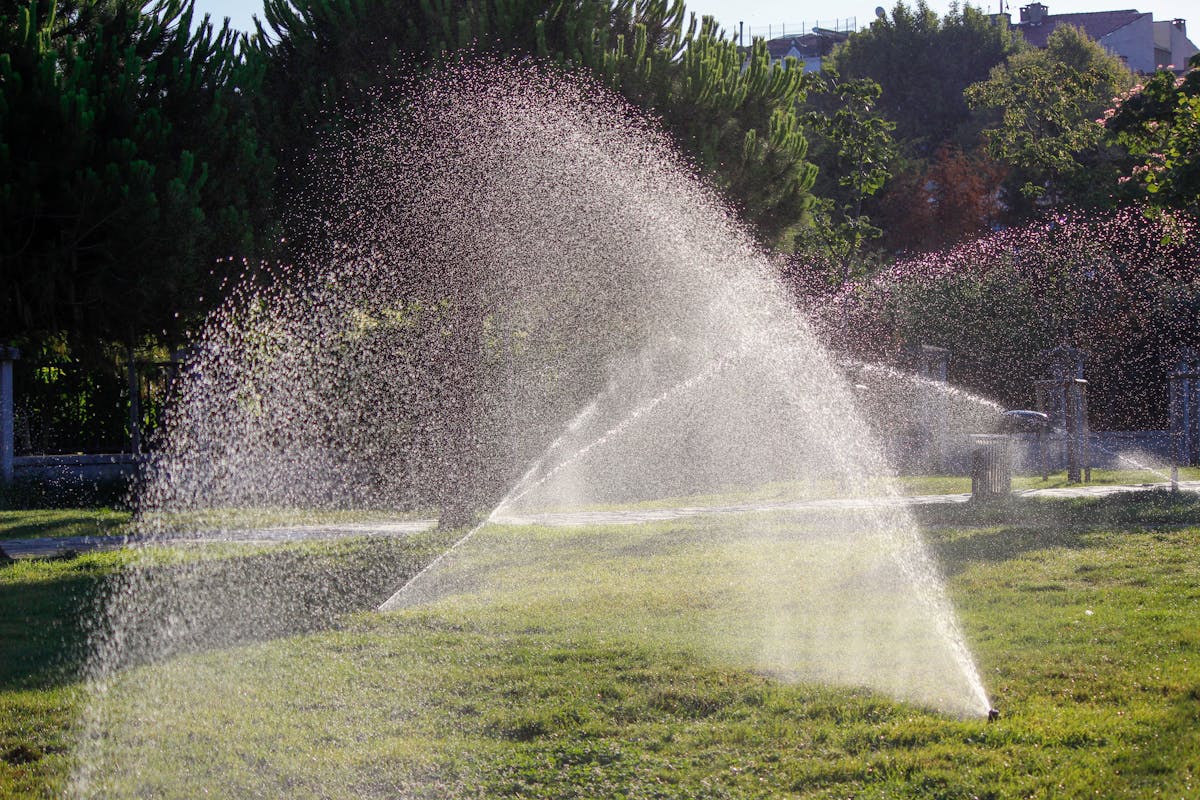
Your Grass Can Tell You Where the Water Isn't Going
One of the easiest irrigation mistakes is assuming that a system is working properly simply because every sprinkler head appears to come on. A head can spray and still fail to distribute water where the lawn actually needs it.
Spray patterns can become blocked. Heads can become damaged, tilted, or buried. Water pressure can change. Different sections of a property can also dry at different rates because of sun exposure, slope, soil, tree roots, and other conditions.
That is why the condition of the lawn itself is often one of the best places to start looking.
Repeated Dry Patches
An area that repeatedly dries out while nearby turf stays healthy may not be receiving the same irrigation coverage.
Soggy or Soft Areas
Continually wet soil can indicate excessive irrigation, poor drainage, a leaking component, or water concentrating in one area.
Water Running Into the Street
Water flowing across sidewalks or down the driveway is water that is not soaking into the lawn's root zone.
One Section Looks Different
A sharply greener or weaker section can be a clue that watering differs significantly from one irrigation zone to another.
More Water Is Not Automatically Better
When a lawn starts looking dry, the natural response is often to increase the irrigation timer. That can create a second problem if the real issue is poor coverage.
Increasing the run time may soak areas that were already receiving enough water while the poorly covered section remains stressed.
Established Georgia lawns generally benefit from deeper, less frequent irrigation rather than frequent shallow watering. During active growth, many established lawns need roughly an inch of water per week when rainfall does not provide enough, although actual needs vary with turf species, soil, weather, sunlight, and site conditions.
Watch an entire irrigation zone operate instead of only checking that the heads pop up. Look for blocked spray, sprinklers watering pavement, unusually weak spray patterns, obvious overspray, pooling water, and sections that receive little or no overlap.
Water the Lawn, Not the Pavement
A properly adjusted irrigation system should put water where the turf can use it. Overspray and runoff waste water while potentially leaving other areas of the lawn under-watered.
Why Coverage Can Change Even If the System Used to Work
Irrigation is not necessarily a set-it-and-forget-it system.
Grass can grow around sprinkler heads. Landscaping can mature and block spray patterns. Soil can settle. Heads can be struck by lawn equipment. Nozzles can become clogged or damaged. Changes to beds and other landscaping can also change where water needs to go.
A system that covered the lawn well when it was installed may therefore need adjustment later.
Watch for Water That Cannot Soak In Fast Enough
Irrigation problems are not limited to sprinklers themselves. Sometimes the water reaches the right location but the soil cannot accept it efficiently.
Compacted soil and slopes can contribute to runoff. Instead of soaking deeply into the root zone, water begins moving across the surface. Extending the watering time may simply create more runoff.
When compaction contributes to poor turf performance, core aeration during the appropriate active-growth period may be part of the solution.
Don't Forget What Rainfall Has Already Provided
An irrigation schedule that makes sense during a hot, dry stretch may be excessive after repeated thunderstorms or several days of rain.
Adjusting irrigation to actual weather conditions can help avoid keeping the soil unnecessarily saturated. Overly wet conditions can weaken turf and may contribute to conditions favorable to certain lawn diseases.
The goal is not to run an irrigation system a certain number of minutes simply because that is what the controller says. The goal is to provide the lawn with the moisture it needs without unnecessary excess.
Check the System Before Blaming the Grass
A struggling section of lawn does not always mean the turf itself is the problem.
Before replacing grass or making major changes, it makes sense to check irrigation coverage, soil moisture, drainage, compaction, sunlight, and the other conditions affecting that part of the property.
Finding the actual cause can prevent you from repairing the same section of lawn twice.
Seeing Dry Spots or Uneven Growth?
Risen Savior Lawn Care offers irrigation systems along with lawn maintenance, soil analysis, aeration, topdressing, sod installation, and other services that can help address the conditions keeping a lawn from looking its best.
Call (706) 449-7801 Request a Free EstimateIrrigation & Lawn Care Around Dearing, Georgia
Lawns around Dearing, Thomson, Harlem, Boneville, Warrenton, Grovetown, and surrounding communities can experience very different moisture conditions from one property—and even one part of a yard—to another.
Risen Savior Lawn Care provides dependable lawn and landscaping help, including irrigation systems, lawn maintenance, soil analysis, seasonal aeration, topdressing, sod installation, mulching, planting, and other services for maintaining and improving residential properties.
If watering problems have already left the lawn thin, read Why Your Lawn Still Looks Thin Even Though It's Turning Green .
If parts of the lawn are severely damaged, continue with Is It Time for Sod or Can This Lawn Still Recover Naturally to understand when recovery may still be possible and when replacing turf may make more sense.
Lawn Irrigation Questions & Answers
Irrigation problems are not always obvious. These common questions can help homeowners recognize when watering may be contributing to lawn trouble.
How can I tell if part of my lawn isn't getting enough water?
Repeated dry or wilting patches while nearby turf remains healthy can indicate uneven irrigation. Watch the irrigation zone while it runs and compare the actual spray pattern with the affected area.
How much water does an established Georgia lawn need?
A common guideline for established turf during active growth is approximately one inch of water per week when rainfall is insufficient. Actual requirements vary with grass species, soil, weather, shade, and other site conditions.
Should I water my lawn every day during hot weather?
Established lawns generally benefit from deeper, less frequent watering rather than routine shallow daily irrigation. Newly installed sod has different moisture requirements while roots are becoming established.
Why is water running off my lawn instead of soaking in?
Slopes, compacted soil, an irrigation rate faster than the soil can absorb, and already-saturated ground can all contribute to runoff. The answer may involve correcting the underlying condition rather than simply running the sprinklers longer.
Can too much irrigation damage my lawn?
Yes. Continually wet soil can reduce oxygen around roots, encourage shallow rooting, and contribute to conditions favorable to some turf diseases. More irrigation is not automatically healthier irrigation.
Why would one irrigation zone suddenly stop watering evenly?
Possible causes include damaged or clogged nozzles, buried or tilted heads, blocked spray patterns, pressure problems, landscape changes, or physical damage to irrigation components.
Does Risen Savior Lawn Care provide irrigation services?
Yes. Irrigation systems are among the services offered by Risen Savior Lawn Care. Call (706) 449-7801 to discuss your property and request an estimate.
Helpful Georgia Lawn Resources
For additional research-based information about watering and maintaining Georgia turfgrass, visit University of Georgia Cooperative Extension .