Brown Lawn or Heat Stress? How to Tell the Difference
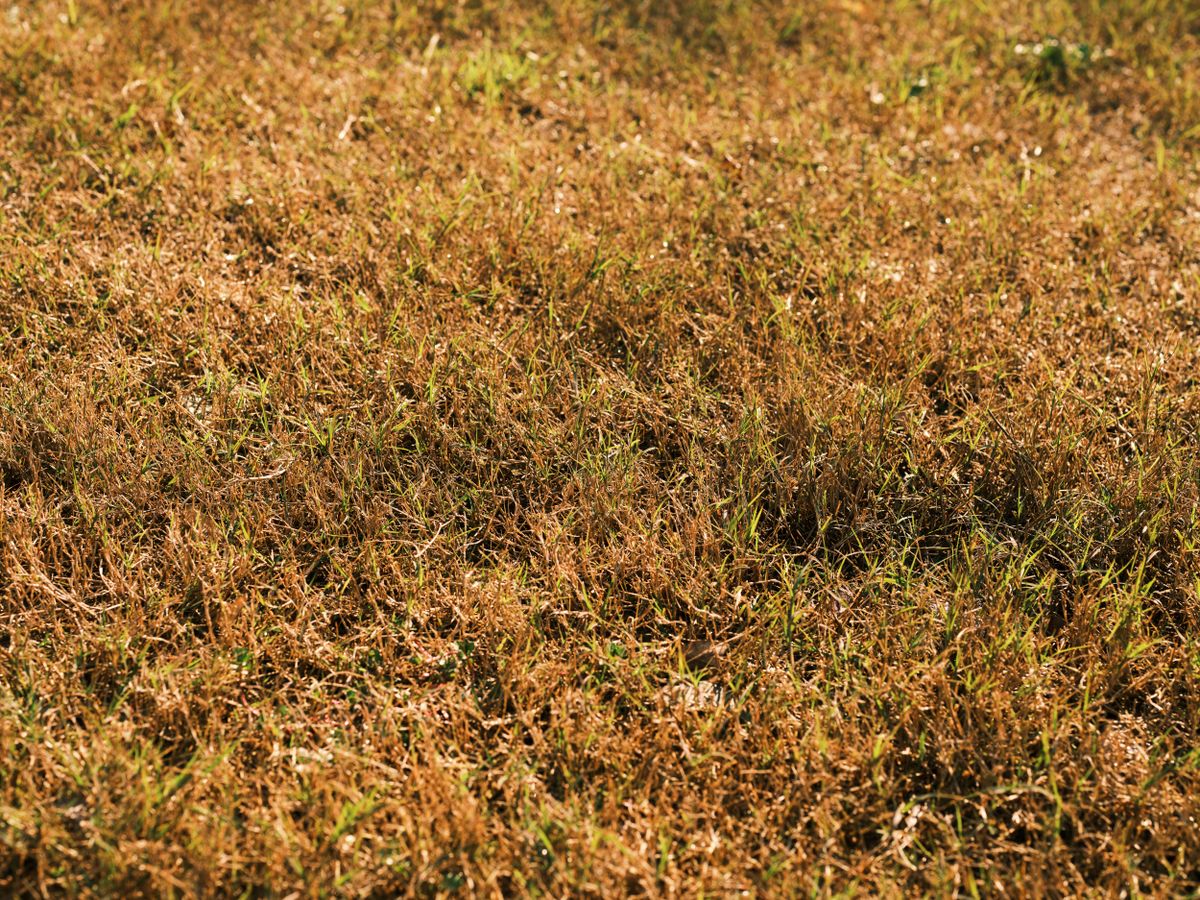
Brown grass can look alarming, especially after a stretch of hot, dry Georgia weather. But brown does not always mean dead. Drought stress, temporary dormancy, heat injury, irrigation problems, and actual turf loss can look surprisingly similar from a distance.
Look at the Pattern Before You Assume the Lawn Is Dead
One of the first clues is where the brown areas appear.
UGA Extension notes that drought stress often appears near sidewalks, driveways, buildings, and the tops of slopes. These areas can dry faster because of reflected heat, reduced soil depth, runoff, or limited root access to moisture.
Localized dry spots can also form in irregular patterns when soil conditions differ beneath the turf.
A Bluish or Dull Color Appears First
Before a lawn turns brown, drought-stressed turf may lose its bright green color and develop a dull or bluish-green cast.
Grass Blades Begin Folding or Rolling
Leaf rolling is a common moisture-stress response as the plant tries to reduce water loss.
Footprints Stay Visible
Turf lacking adequate moisture may not spring back quickly after traffic, so footprints and wheel tracks can remain visible.
Brown Areas Follow Hot, Dry Locations
Areas beside pavement, on slopes, or in full afternoon sun may show stress before cooler or better-watered sections of the property.
Heat Stress and Drought Stress Often Happen Together
High temperatures alone can stress turf, but heat becomes especially damaging when the grass also lacks moisture.
UGA Extension reports that drought-stressed turf can have canopy temperatures significantly higher than the surrounding air. When grass cannot cool itself adequately through evapotranspiration, heat injury becomes more likely.
That means a lawn exposed to both high temperatures and dry soil may deteriorate much faster than one dealing with either condition alone.
Is Brown Grass Dormant or Dead?
Warm-season grasses can enter dormancy during drought as a survival response. Dormant grass may turn brown while important plant tissues remain alive.
That is one reason appearance alone can be misleading.
UGA Extension notes that warm-season turf can tolerate relatively short dry periods and may recover quickly after adequate rainfall. Zoysiagrass, however, can be slower to recover after prolonged hot, dry conditions, and brown or black patches may remain visible while new shoots develop.
A lawn that has just received rainfall after a prolonged dry spell may not turn green overnight. Depending on the turf species and severity of stress, visible recovery can take time.
Three Things to Check Before Replacing the Grass
Brown turf does not automatically call for sod. First, look for clues that reveal whether the problem is moisture, heat, irrigation coverage, or more serious damage.
Check Soil Moisture
Compare brown areas with healthier sections. If the soil is significantly drier, irrigation or water distribution may be part of the problem.
Watch for New Growth
After rainfall or proper irrigation returns, living warm-season turf may begin sending out new shoots from surviving plant tissue.
Study the Pattern
Stress that follows pavement, slopes, sprinkler gaps, or repeated traffic often points toward environmental conditions rather than a uniform disease problem.
Do Not Automatically Reach for Fertilizer
A stressed lawn does not always need extra nitrogen.
UGA turf specialists have specifically cautioned against pushing nitrogen onto drought-injured turf simply to force rapid recovery. Excessive fertilization during stress can create additional problems and may increase vulnerability to insects or disease.
The first priority is identifying why the grass turned brown in the first place.
Check the Irrigation Before Blaming the Weather
Heat can expose weak irrigation coverage that went unnoticed during cooler or wetter conditions.
One sprinkler head that is blocked, tilted, damaged, or poorly adjusted can leave a localized section under-watered while the rest of the lawn remains green.
If the brown pattern seems tied to specific zones or dry spots, read Signs Your Irrigation System May Not Be Watering Your Lawn Properly .
Water Correctly Instead of Watering Constantly
If drought stress is the issue, the answer is not necessarily daily shallow irrigation.
Established Georgia lawns generally benefit from deeper watering that moistens the root zone rather than repeated light applications.
For more detail, see How Much Water Does a Georgia Lawn Really Need? .
Compaction Can Make Heat Stress Worse
Compacted soil can restrict root growth and reduce water infiltration. That leaves turf with fewer resources when hot, dry conditions arrive.
If brown areas repeatedly occur in high-traffic zones or where the soil feels unusually hard, see Signs Your Yard May Need Core Aeration .
When the Lawn May Need More Than Recovery Time
If adequate moisture has returned, temperatures have moderated, and the turf still fails to produce meaningful new growth, the damaged area may need closer evaluation.
Severe drought, root damage, poor soil conditions, disease, or other factors can leave portions of a lawn unable to recover naturally.
In those cases, it may be time to consider targeted repair or sod rather than waiting indefinitely.
Our guide Is It Time for Sod or Can This Lawn Still Recover Naturally explains what to look at before making that decision.
Brown Lawn and Not Sure What's Causing It?
Risen Savior Lawn Care can help evaluate irrigation, soil conditions, compaction, turf health, and other factors that may be contributing to a stressed or damaged lawn. Services include lawn maintenance, irrigation systems, soil analysis, aeration, topdressing, sod installation, and more.
Call (706) 449-7801 Request a Free EstimateSummer Lawn Stress Around Dearing, Georgia
Lawns throughout Dearing, Thomson, Harlem, Boneville, Camak, Warrenton, Grovetown, and surrounding communities can experience prolonged heat, inconsistent rainfall, compacted soil, and uneven irrigation during the growing season.
Those conditions can produce brown or thin areas that look similar even when the underlying cause is very different.
Risen Savior Lawn Care provides practical lawn and landscaping services designed to identify the actual condition of the property before recommending the next step.
Brown Lawn & Heat Stress Questions
Brown turf can be caused by several different issues. These common questions can help narrow down what may be happening.
Does brown grass always mean the lawn is dead?
No. Warm-season turf can turn brown during drought stress or dormancy while important plant tissues remain alive. Recovery may occur once adequate moisture and favorable growing conditions return.
What are the first signs of drought stress in grass?
UGA Extension identifies a dull or bluish-green color and leaf rolling among early drought symptoms. Footprints may also remain visible longer because stressed grass does not spring back quickly.
Why does grass near my driveway turn brown first?
Areas beside pavement may experience reflected heat, shallower or compacted soil, and faster moisture loss. UGA notes that drought injury commonly appears near driveways, sidewalks, buildings, and the tops of slopes.
Will brown grass turn green again after rain?
It can if the turf is stressed or dormant rather than dead. Recovery speed varies by grass species and severity of injury, and some warm-season grasses may need several weeks to fully recover.
Should I fertilize a heat-stressed lawn?
Not automatically. Fertilizer does not correct lack of water or heat injury, and forcing growth on stressed turf may create additional problems. Identify and correct the underlying issue first.
Can compacted soil make drought stress worse?
Yes. Compaction can restrict root growth and reduce water infiltration, leaving turf more sensitive to drought and temperature stress.
When should I consider replacing brown grass with sod?
If favorable growing conditions and adequate moisture return but the affected area fails to produce new growth, closer evaluation may show that the turf is too severely damaged to recover naturally.
Can Risen Savior Lawn Care help diagnose a struggling lawn?
Risen Savior Lawn Care offers soil analysis, lawn disease work, irrigation systems, maintenance, aeration, topdressing, sod installation, and other services that can help address the conditions behind a struggling lawn. Call (706) 449-7801 to request a free estimate.
Helpful Georgia Turf Resources
Technical guidance in this article is supported by University of Georgia Cooperative Extension. UGA identifies bluish color, leaf rolling, and browning as drought symptoms and notes that heat injury can become more severe when high temperatures are combined with drought stress.
UGA Extension: Abiotic Injuries and Disorders of Turfgrasses in Georgia