Signs Your Yard May Need Core Aeration
A lawn can receive water, fertilizer, and regular mowing and still struggle when the soil underneath has become packed too tightly. Core aeration is designed to relieve that compaction and create better conditions for roots, water, nutrients, and air.
Compacted Soil Can Quietly Hold a Lawn Back
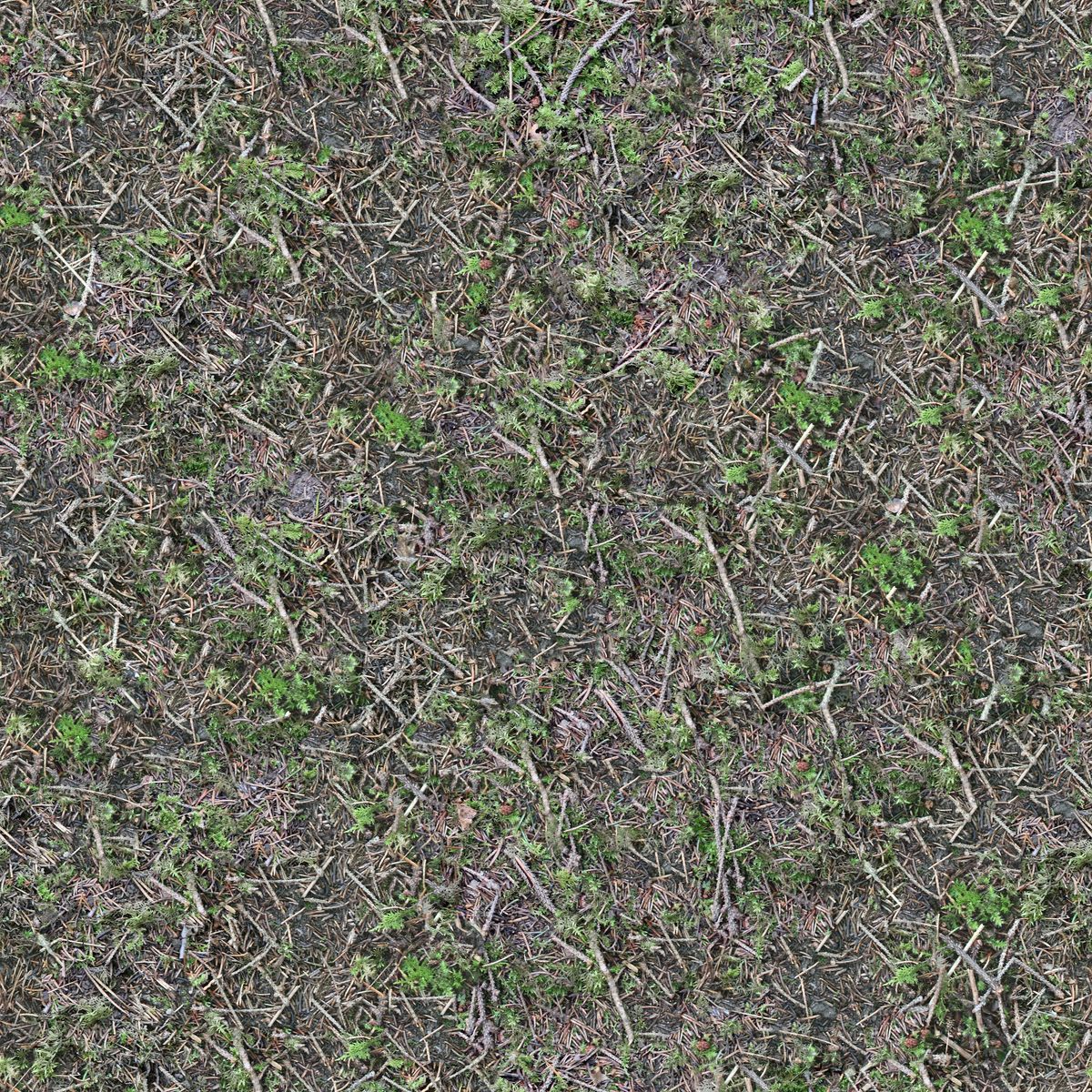
Grass roots need more than fertilizer and water. They also need space. Soil contains pore spaces that allow air and water to move through the root zone. When soil becomes heavily compacted, those spaces are reduced.
UGA Extension notes that compaction can restrict water infiltration, gas exchange, nutrient acquisition, and root growth. That creates a lawn that is less able to tolerate heat, drought, traffic, and other stress.
Compaction is particularly common in areas that receive repeated foot traffic, mower traffic, equipment use, or activity in the same paths over and over again.
Thin Grass in High-Traffic Areas
Turf that repeatedly becomes sparse along walking paths, drive-side edges, play areas, or commonly traveled routes may be struggling with compacted soil beneath it.
Hard Ground Beneath the Turf
Soil that feels extremely firm and difficult to penetrate can be a clue that roots are also having difficulty moving through the soil.
Water Puddles or Runs Off Quickly
Compacted soil can slow infiltration. Instead of soaking into the root zone, irrigation or rainfall may sit on the surface or begin flowing away.
The Lawn Dries Out Faster Than Expected
Restricted roots and poor water movement can leave turf more sensitive to drought stress even when neighboring areas perform better.
Core Aeration Is Different From Simply Poking Holes
Not every machine marketed as an aerator does the same thing.
Core aeration uses hollow tines to physically remove small plugs of soil from the lawn. That removal is important because it creates space rather than simply pushing already-compacted soil farther outward.
The plugs left on the surface are normal and generally break down with weather, mowing, and irrigation.
Why Thin Grass Can Be a Compaction Clue
Thin turf does not automatically mean compaction is the problem, but it is one of the symptoms worth investigating.
UGA identifies thinning turfgrass, increased drought sensitivity, weed pressure, and reduced turf quality among symptoms that can accompany compacted soil.
That means aeration should be based on what the lawn actually needs—not performed simply because it appears on a seasonal lawn-care checklist.
If weak areas follow paths where people walk, places where equipment repeatedly travels, or sections of soil that stay hard and resist water, compaction deserves a closer look.
What Core Aeration Can Improve
The purpose of aeration is not to make the yard look busy for a day. It is to improve the environment where the grass roots are actually trying to grow.
Water Movement
Openings created by coring can help water move into soil that has become resistant to infiltration.
Air Exchange
Roots need oxygen. Reducing compaction improves the physical soil environment around the turf root system.
Root Development
Healthier soil conditions allow roots to grow more effectively and support turf through periods of environmental stress.
When Should a Georgia Lawn Be Aerated?
Timing matters because aeration temporarily disrupts the turf.
UGA Extension recommends aerating when grass roots are actively growing. For warm-season grasses, its soil guidance says the soil temperature at a four-inch depth should be at least 65 degrees Fahrenheit and rising.
Fulton County UGA Extension also identifies roughly May through August as a good core-aeration window for warm-season lawns under typical Georgia conditions.
That does not mean every lawn needs aeration every summer. Soil type, traffic, turf condition, recent weather, and the degree of compaction should all influence the decision.
Does Every Lawn Need Aeration Every Year?
No.
UGA notes that the average home lawn can benefit from regular or annual aerification, but many lawns may perform well when aeration is performed every three to four years.
A heavily used lawn on clay soil may need attention more frequently than a lightly traveled lawn with naturally loose soil.
Aeration and Topdressing Can Work Together
Depending on the condition of the property, core aeration may be paired with topdressing.
The open holes left after coring can allow suitable material to work into the turf and soil profile rather than remaining entirely on the surface.
If unevenness or soil-related issues are part of the problem, read What Topdressing Can Help Fix in a Thin or Uneven Lawn .
Aeration Cannot Fix Every Lawn Problem
Aeration is useful when compaction is contributing to poor turf performance. It will not correct severe shade, major drainage failures, irrigation problems, incompatible turf species, or every lawn disease.
That is why the first step should always be identifying the reason the grass is struggling.
Does Your Lawn Feel Hard, Thin, or Compacted?
Risen Savior Lawn Care offers seasonal aeration along with topdressing, soil analysis, lawn maintenance, irrigation systems, sod installation, and other services designed to address the conditions affecting the health and appearance of your lawn.
Call (706) 449-7801 Request a Free EstimateCore Aeration & Lawn Care Around Dearing, Georgia
Georgia's clay-heavy soils can become compacted, especially where lawns receive repeated foot traffic or equipment use. Homeowners throughout Dearing, Thomson, Harlem, Boneville, Camak, Warrenton, Grovetown, and surrounding communities may notice thin turf, hard soil, runoff, or drought-sensitive areas as a result.
Risen Savior Lawn Care provides lawn and landscaping services designed around the actual condition of the property rather than a one-size-fits-all treatment plan.
If the lawn is thin but still green, read Why Your Lawn Still Looks Thin Even Though It's Turning Green .
If water seems to be running off or missing portions of the yard, see Signs Your Irrigation System May Not Be Watering Your Lawn Properly .
If the turf is severely damaged, continue with Is It Time for Sod or Can This Lawn Still Recover Naturally .
Core Aeration Questions & Answers
Core aeration sounds simple, but homeowners often have questions about when it is actually necessary and what it is supposed to accomplish.
What is core aeration?
Core aeration uses hollow tines to remove small plugs of soil from the lawn. The openings help relieve compaction and improve movement of air, water, and nutrients within the root zone.
How can I tell if my lawn soil is compacted?
Possible clues include very hard soil, thin turf in high-traffic areas, poor water infiltration, runoff, standing water, and grass that becomes unusually drought-sensitive.
When should warm-season grass be aerated in Georgia?
Core aeration is generally best performed while warm-season grass is actively growing and capable of recovery. UGA guidance recommends active root growth and notes that soil temperatures at four inches should be at least 65 degrees Fahrenheit and rising.
Does core aeration help water soak into the lawn?
It can when compaction is limiting infiltration. Removing plugs of soil creates openings that can improve water movement into the root zone.
Should I pick up the soil plugs after aeration?
Usually not. Soil cores left on the lawn generally break down over time through weather, mowing, irrigation, and normal lawn activity.
Does aeration help a thin lawn grow thicker?
It can help when compaction is contributing to poor root growth and weak turf. Aeration will not solve thinning caused primarily by shade, disease, irrigation problems, or other unrelated conditions.
Should aeration and topdressing be done together?
They can complement each other when appropriate. Core aeration creates openings in the soil, and compatible topdressing material can then be worked into the turf and root zone.
Does Risen Savior Lawn Care offer core aeration?
Yes. Seasonal aeration is among the lawn-care services offered by Risen Savior Lawn Care. Call (706) 449-7801 to discuss the condition of your lawn and request a free estimate.
Helpful Georgia Turf Resources
Technical guidance in this article is supported by University of Georgia Cooperative Extension resources on turfgrass soil, compaction, and core aeration. UGA explains that coring reduces soil compaction and can improve movement of water, nutrients, and air through the root zone.
UGA Extension: Turfgrass Fertility — Soil Texture, Organic Matter, Aeration, and pH